
Reframing the Conversation
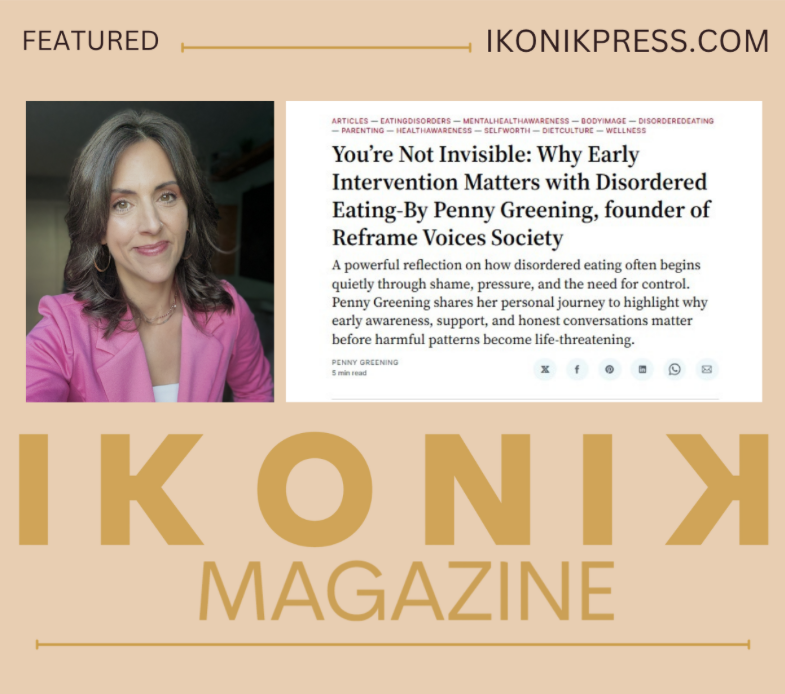
You’re Not Invisible: Why Early Intervention Matters with Disordered Eating
A powerful reflection on how disordered eating often begins quietly through shame, pressure, and the need for control. Penny Greening shares her personal journey to highlight why early awareness, support, and honest conversations matter before harmful patterns become life-threatening.
READ FULL ARTICLE by Penny Greening, as published by IKONIK Magazine.
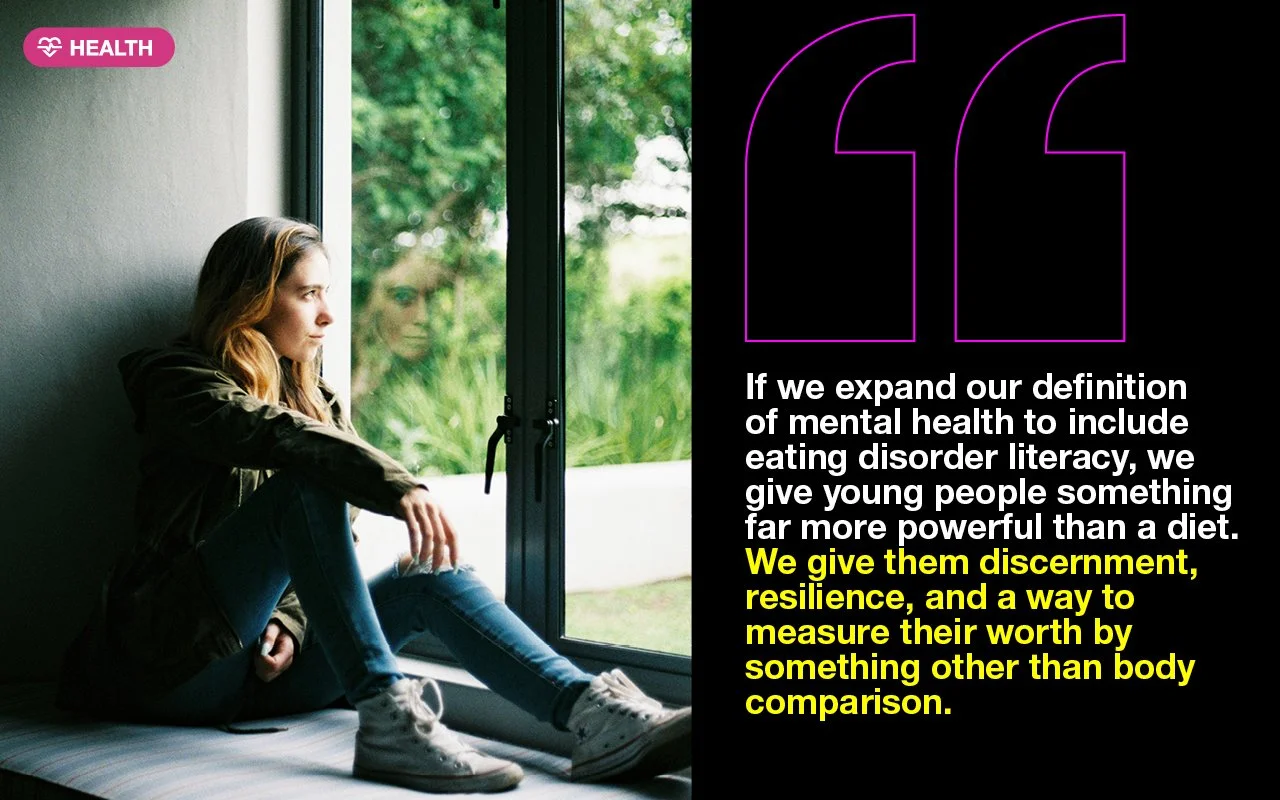
Dieting is a Social Illness. Youth Pay the Price
On social media, you tend to see the same kinds of bodies over and over, and it’s easy to feel like that’s what you’re supposed to look like. The thing is, I didn’t even really know what an eating disorder was, so it kind of just happened without me realizing it would become a bigger problem. I wish someone explained earlier how serious it is, and maybe normalized that your body is supposed to change as you grow up.
READ FULL ARTICLE by Penny Greening, as published by Ripple Of Change.
Turning Chaos Into Calm
In my new line of work, I remind parents that we’re all winging it. There is no manual for parenting. But our kids don’t know that.
We’re older, bigger, equipped with a modicum of executive functioning, language, perspective, and decades of experience being human. Parents have the advantage.
Until your little munchkin catches you at your worst.
You’re running on fumes. Long hours. Managing personalities. Smiling through stress. You’ve been “regulated” all day. Controlled, professional, and polished.
This article was written by Penny Greening and originally published by BC Parent Newsmagazine. FULL ARTICLE

The “Reset” Mindset
By now, you’ve probably heard that for most people, New Year’s resolutions don’t survive past a few weeks. From my brief professional career and personal hobbies in the fitness industry, I learned through daily practice, what many of us discover the hard way: long-term consistency is the real key to change. There’s no mystery and no magic pill. At least, none that’s healthy or sustainable.
When progress is slow or unglamorous, inconsistency creeps in. We fall off track not because we lack willpower, but because we lack planning or support. Parenting can feel much the same.
This article was written by Penny Greening and originally published by BC Parent Newsmagazine. FULL ARTICLE

Backpacks, Body Shame & the Playground of Food Talk
The fallout of body-based bullying isn’t just emotional. It has serious mental health consequences. Numerous Canadian studies and school health surveys have found that children who are bullied are at significantly higher risk for anxiety and depression, low self-esteem and body dissatisfaction, social withdrawal and academic decline, and sometime worse
This article was written by Penny Greening and originally published by BC Parent Newsmagazine. FULL ARTICLE